
Introduction
In the modern economy, warehouses play a crucial role in supply chain management and logistics. With the increasing demand for efficient storage solutions, businesses are turning to innovative designs and materials. Lida Group, a leader in steel structure technology, has established itself as a pioneer in warehouse design, offering customizable, durable, and sustainable steel structures. This comprehensive guide will explore the principles of warehouse design, the advantages of steel structures, Lida Group’s innovations, and best practices for creating effective warehouse spaces.
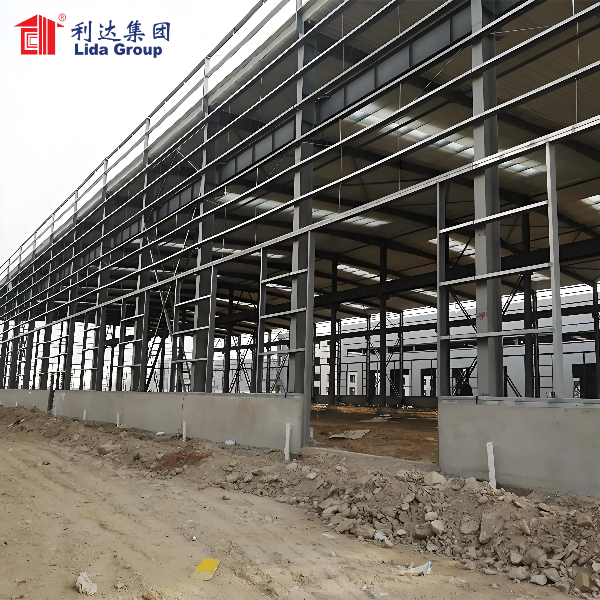
Understanding Warehouse Design
The Importance of Warehouse Design
Effective warehouse design is essential for optimizing space, improving operational efficiency, and reducing costs. A well-designed warehouse can enhance the flow of goods, minimize handling times, and facilitate better inventory management. Key factors that influence warehouse design include:
- Storage Needs: Understanding the types and volumes of products to be stored.
- Operational Workflow: Designing layouts that support efficient movement of goods.
- Technology Integration: Incorporating automation and information systems for improved management.
Key Components of Warehouse Design
- Layout and Space Planning
- The layout must accommodate storage, picking, packing, and shipping operations while allowing for smooth workflow.
- Common layouts include the straight-line, U-shaped, and L-shaped designs, each serving different operational needs.
- Storage Systems
- Various storage systems, such as pallet racking, shelving, and automated storage, can be utilized based on inventory types and turnover rates.
- Loading and Unloading Areas
- Adequate space for loading docks and maneuvering vehicles is critical for efficient operations.
- Safety and Compliance
- Designing for safety involves adhering to regulations, ensuring proper signage, and implementing fire safety measures.
The Advantages of Steel Structures for Warehousing
1. Strength and Durability
Steel structures are known for their exceptional strength and durability. They can withstand heavy loads and harsh environmental conditions, making them ideal for warehouses that store large quantities of goods. The longevity of steel minimizes the need for repairs and replacements, providing considerable cost savings over time.
2. Design Flexibility
Steel’s versatility allows for a wide range of architectural designs. This flexibility enables businesses to customize warehouse layouts to meet specific operational requirements. Features such as:
- Wide Spans: Steel frames can support large open spaces without the need for internal columns, optimizing storage capacity.
- Adaptable Configurations: Workshops can be easily modified or expanded in response to changing business needs.
3. Speed of Construction
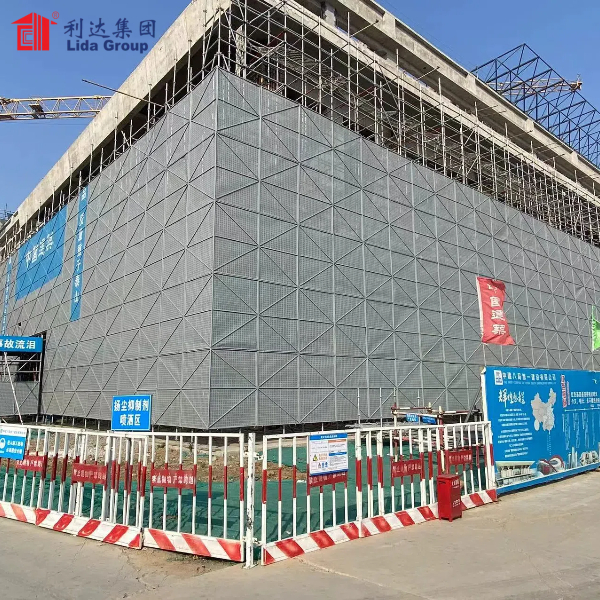
The prefabrication of steel components significantly reduces construction time. Since steel parts are manufactured off-site and assembled on-site, projects can be completed faster than traditional building methods. This efficiency is crucial for companies that need to establish operations quickly.
4. Cost-Effectiveness
While the initial investment in steel structures may be higher than traditional materials, the long-term savings can be substantial. Factors contributing to this cost-effectiveness include:
- Lower Maintenance Costs: Steel’s durability means fewer repairs are required over time.
- Energy Efficiency: Modern steel structures can incorporate energy-efficient designs, leading to lower operational costs.
5. Sustainable Practices
Steel is highly recyclable, which aligns with the growing emphasis on sustainability in construction. Using recycled steel reduces environmental impact while maintaining structural integrity. Additionally, steel warehouses can be designed with energy-efficient systems, such as solar panels and advanced insulation.
Lida Group’s Innovations in Warehouse Design
1. Customized Solutions
Lida Group specializes in providing customized steel structure solutions tailored to meet specific client needs. By working closely with clients, Lida Group can design warehouses that optimize storage capacity and workflow, ensuring that every aspect of the operation is considered.
2. Advanced Manufacturing Techniques
Lida Group employs state-of-the-art manufacturing processes, including:
- Computer-Aided Design (CAD): Utilizing CAD software allows for precise design and modeling, ensuring that all specifications are met before construction begins.
- Automated Fabrication: Advanced machinery ensures that steel components are manufactured with high precision, reducing waste and improving quality.
3. Integration of Technology
Lida Group incorporates the latest technology into warehouse designs:
- Smart Automation: Automated systems for inventory management and material handling enhance efficiency and accuracy.
- Energy Management Systems: Integrating smart technologies allows for real-time monitoring and optimization of energy use within the warehouse.
4. Commitment to Sustainability
Lida Group is dedicated to sustainable practices throughout the design and construction process. This commitment includes:
- Use of Recycled Materials: Incorporating recycled steel and other sustainable materials into the design.
- Energy-Efficient Designs: Implementing features such as high-performance insulation, natural lighting, and renewable energy solutions.
Best Practices for Designing Steel Structure Warehouses
1. Conduct a Needs Assessment
Before beginning the design process, it’s essential to conduct a thorough needs assessment. This assessment should include:
- Inventory Analysis: Evaluate the types and volumes of products to be stored.
- Operational Requirements: Identify the specific workflows and processes that will take place in the warehouse.
2. Optimize Layout and Workflow
Designing an efficient layout is critical for maximizing productivity. Considerations include:
- Flow of Goods: Design the layout to minimize travel distances and streamline the movement of goods through receiving, storage, and shipping areas.
- Zoning: Divide the warehouse into specific zones for different functions, such as storage, packing, and shipping.
3. Choose the Right Storage Solutions
Select storage systems that align with inventory types and operational needs. Options include:
- Pallet Racking: Ideal for bulk storage, allowing for easy access to goods.
- Shelving Systems: Suitable for smaller items and can be customized for various sizes.
- Automated Storage and Retrieval Systems (AS/RS): Increase efficiency and reduce labor costs by automating the storage process.
4. Ensure Safety and Compliance
Safety should be a primary consideration in warehouse design. Key practices include:
- Adhering to Regulations: Ensure compliance with local building codes and safety standards.
- Implementing Safety Features: Install proper signage, fire suppression systems, and emergency exits to protect workers.
5. Plan for Future Expansion
Design warehouses with future growth in mind. Considerations include:
- Modular Design: Create a modular structure that can be easily expanded as business needs evolve.
- Flexible Layouts: Incorporate adaptable layouts that can accommodate changing operational requirements.
Environmental Considerations in Warehouse Design
1. Energy Efficiency
Incorporating energy-efficient designs into steel warehouses can significantly reduce operational costs. Strategies include:
- High-Performance Insulation: Use advanced insulation materials to minimize heat loss and reduce heating and cooling costs.
- Natural Ventilation: Design warehouses to take advantage of natural airflow, reducing reliance on mechanical ventilation systems.
2. Renewable Energy Integration
Integrating renewable energy sources can enhance the sustainability of warehouse operations. Options include:
- Solar Panels: Installing solar panels on the roof can provide a significant portion of the warehouse’s energy needs.
- Wind Energy: In suitable locations, wind turbines can supplement energy requirements.
3. Sustainable Water Management
Effective water management practices can minimize environmental impact. Considerations include:
- Rainwater Harvesting: Implement systems to capture and reuse rainwater for non-potable applications, such as irrigation or toilet flushing.
- Stormwater Management: Design landscapes and drainage systems to manage stormwater runoff effectively.
Case Studies: Successful Steel Structure Warehouses by Lida Group
1. ABC Logistics Center
Lida Group designed a state-of-the-art logistics center for ABC Logistics, focusing on efficiency and sustainability. Key features included:
- Optimized Layout: The layout was designed to enhance workflow, reducing travel times and improving productivity.
- Energy-Efficient Systems: The facility incorporated energy-efficient lighting and insulation, leading to significant cost savings.
2. DEF Manufacturing Facility
For DEF Manufacturing, Lida Group constructed a custom steel structure workshop tailored to their specific production needs. Highlights included:
- Heavy Machinery Accommodation: The design allowed for the safe operation of heavy machinery, ensuring stability and safety.
- Flexible Workspaces: The layout was adaptable, enabling DEF Manufacturing to respond to changing production requirements.
3. GHI Distribution Warehouse
Lida Group developed a distribution warehouse for GHI, incorporating advanced technology and sustainable practices. Key aspects included:
- Automated Systems: The warehouse featured automated storage and retrieval systems (AS/RS) that significantly improved efficiency.
- Sustainable Design: The facility was designed with renewable energy solutions and high-performance insulation, reducing overall environmental impact.
Future Trends in Steel Structure Warehouse Design
1. Smart Warehousing
The future of warehouse design will increasingly focus on smart technologies. Key trends include:
- Internet of Things (IoT): Integrating IoT devices for real-time monitoring and data analytics can optimize inventory management and operational efficiency.
- Artificial Intelligence (AI): AI algorithms can analyze data to forecast demand, optimize storage, and improve decision-making processes.
2. Sustainability as a Core Principle
Sustainability will continue to be a driving force in warehouse design. Future trends may include:
- Carbon-Neutral Designs: Striving for carbon neutrality through innovative designs and renewable energy solutions.
- Circular Economy Practices: Implementing practices that promote recycling and the reuse of materials throughout the warehouse lifecycle.
3. Modular and Adaptable Designs
The demand for flexibility in warehouse design will grow, leading to:
- Modular Construction: Utilizing modular construction techniques that allow for easy expansion and reconfiguration as business needs evolve.
- Adaptive Reuse: Transforming existing structures into modern warehouses, minimizing the need for new construction.
Conclusion
Lida Group’s expertise in steel structure warehouse design positions it as a leader in the industry. By leveraging the advantages of steel, incorporating innovative technologies, and prioritizing sustainability, Lida Group offers comprehensive solutions that enhance productivity and operational efficiency. As the landscape of warehousing continues to evolve, embracing these principles will be essential for businesses seeking to thrive in a competitive marketplace. With a focus on customization, efficiency, and sustainability, Lida Group is poised to shape the future of warehouse design, ensuring that it meets the demands of a dynamic economy.
Contact Us
Post time: Dec-05-2024